When I first started climbing outdoors, I’d be at the crag and see people with a thousand things dangling from their harnesses (which I later learned were quickdraws for sport climbing or trad racks for trad climbing). I felt really intimidated by all the gear, especially fully decked out trad racks. I’d think to myself “what the hell is everything on there?” and “how in the heck am I ever going to afford all that sh*t?” But in my mind, that’s what a “real climber” looked like. They have the dangly things. They have big muscles and no body fat.
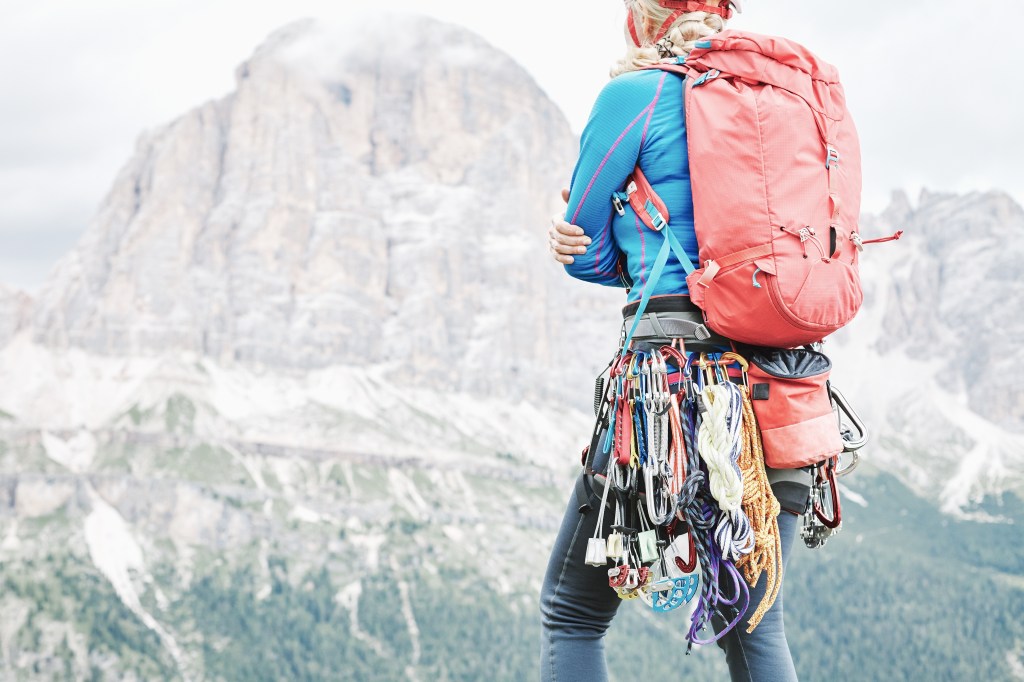
It made me feel so small.
Here’s the good news. You don’t have to feel small. You don’t have to be intimidated by all the gear. In fact, gear doesn’t make you a “real climber”. In fact, anyone who thinks they’re better than another climber because of their gear is an absolute tool.
A “real climber” is a safe climber. A “real climber” is a respectful climber. A “real climber” tries hard when they want to try hard. A “real climber” goes easy when their body needs it so as to not endanger themselves or others. A “real climber” supports other climbers. A “real climber” wants to support other climbers, especially beginners, and make sure people feel included in the sport.
So you’re getting started in the sport, not being an asshole, and learning everything you can about safety? Congrats, bud, you’re a real climber.
Whether you’re getting started climbing indoors or outdoors, there are really only two things you need: shoes and a harness. You should also get a chalk bag and consider investing in a grigri and a solid, locking carabiner (discussed below).
Before we dive into gear, I want to say this- climb with people who (1) are better climbers than you, (2) prioritize safety and (3) have solid gear.
I feel comfortable climbing outdoors now, but it felt exponentially scarier than gym climbing at first. I started feeling confident with outdoor sport climbing after about 7 days at the crag. Even now, I always feel better climbing with someone better than me. I have made some friends through climbing and all of them have been patient and supportive with me as I am learning outdoors. As a new climber relying on others for education and help, I recommend bringing snacks or coffee and offering to pay for gas if you’re driving somewhere.
SAFETY.
Safety is everything when it comes to climbing. While you may be able to get used gear, I would personally recommend getting new gear unless you know who you’re buying from and they can attest to the level of abuse the gear endured. If a buddy bought a harness, wore it a few times, and didn’t like it, yeah, go for it. But if someone is selling a well-worn grigri on eBay or a helmet on Craigslist, think twice. Climbing gear is built to last and to withstand some SERIOUS force. It’s worth the front end investment.
ROCK CLIMBING HARNESSES FOR BEGINNER CLIMBERS
The nice thing about harnesses is they aren’t really beginner specific. Find one with colors that you like from a reputable brand (Black Diamond, Petzl, Mammut, etc.) and send it.
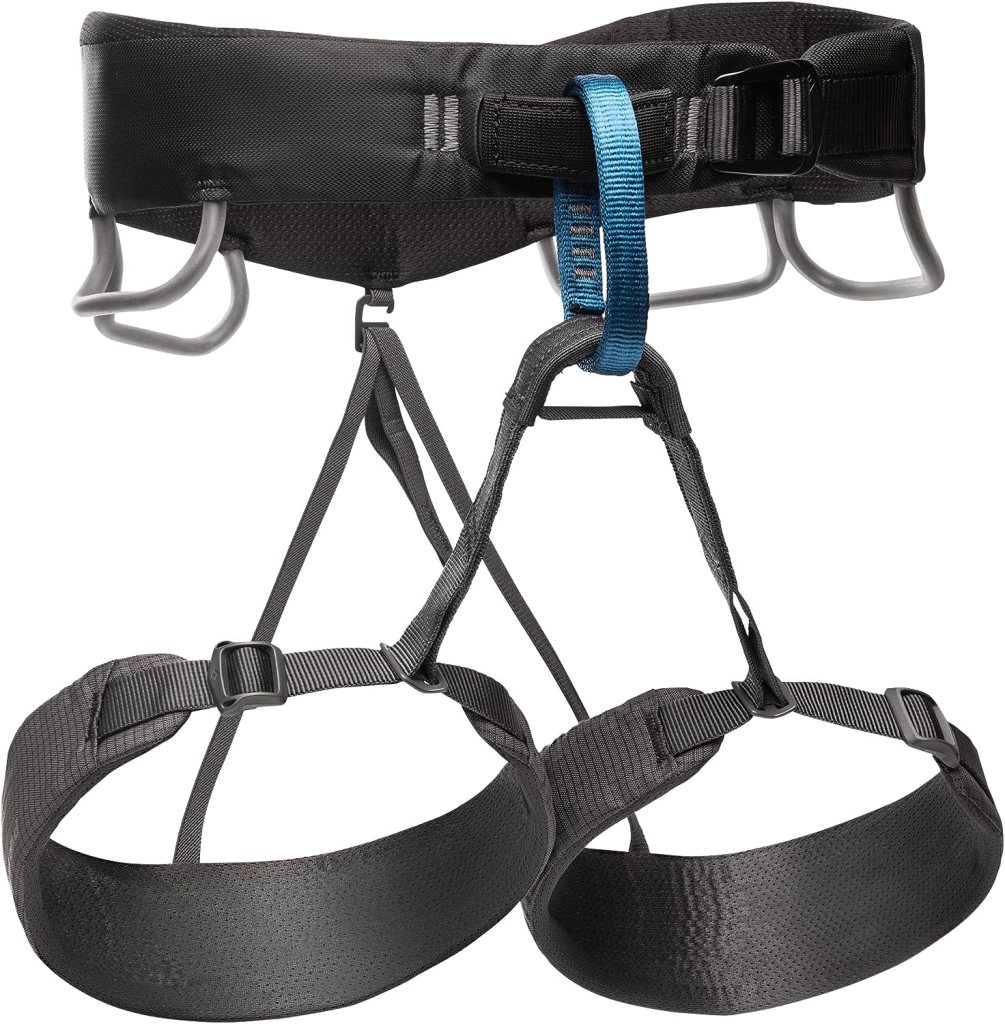
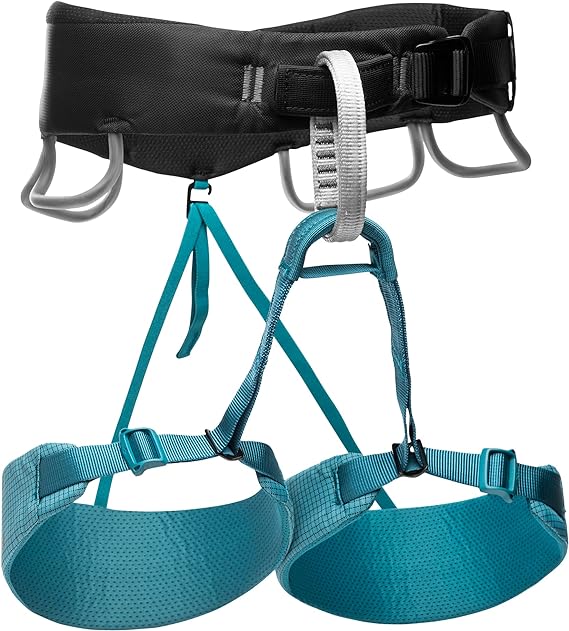
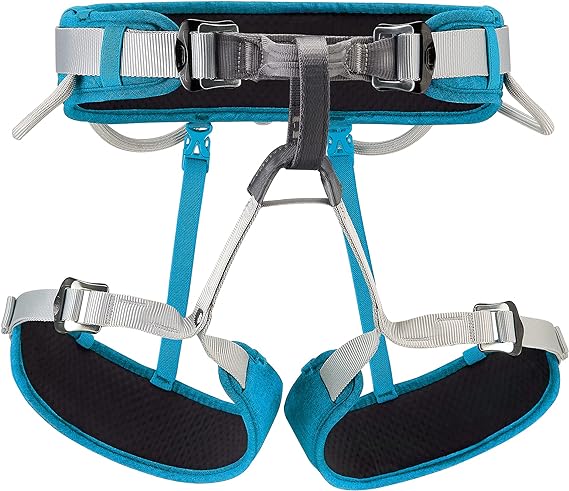
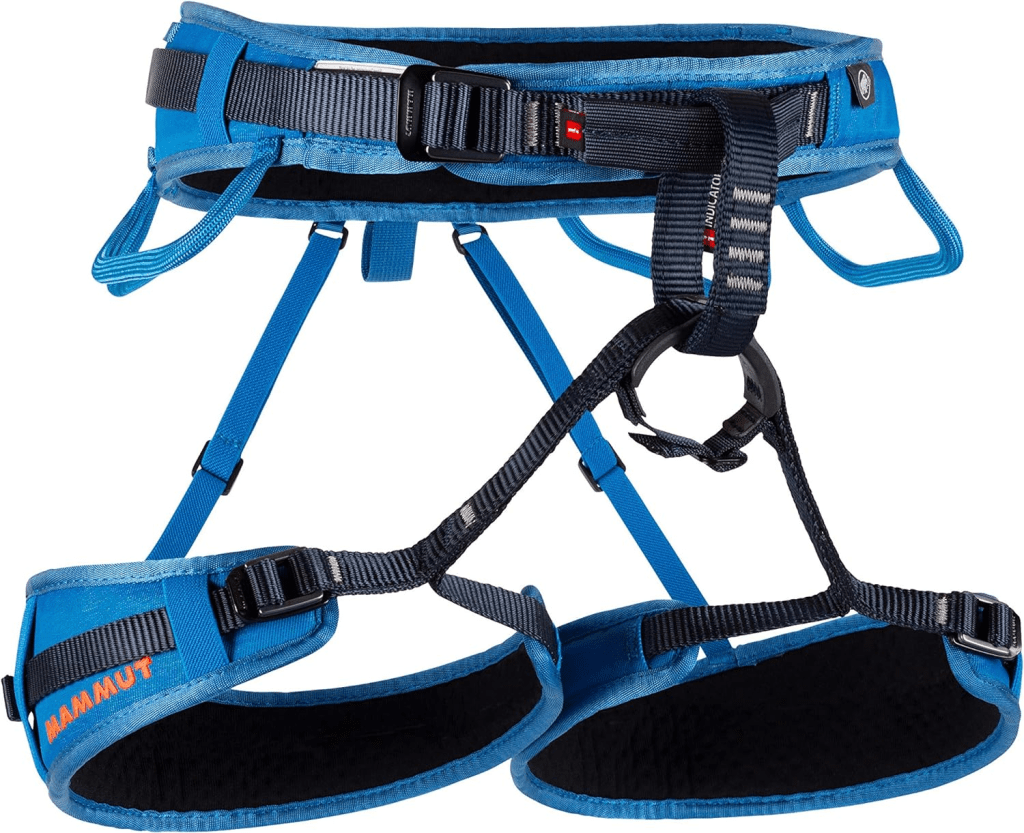
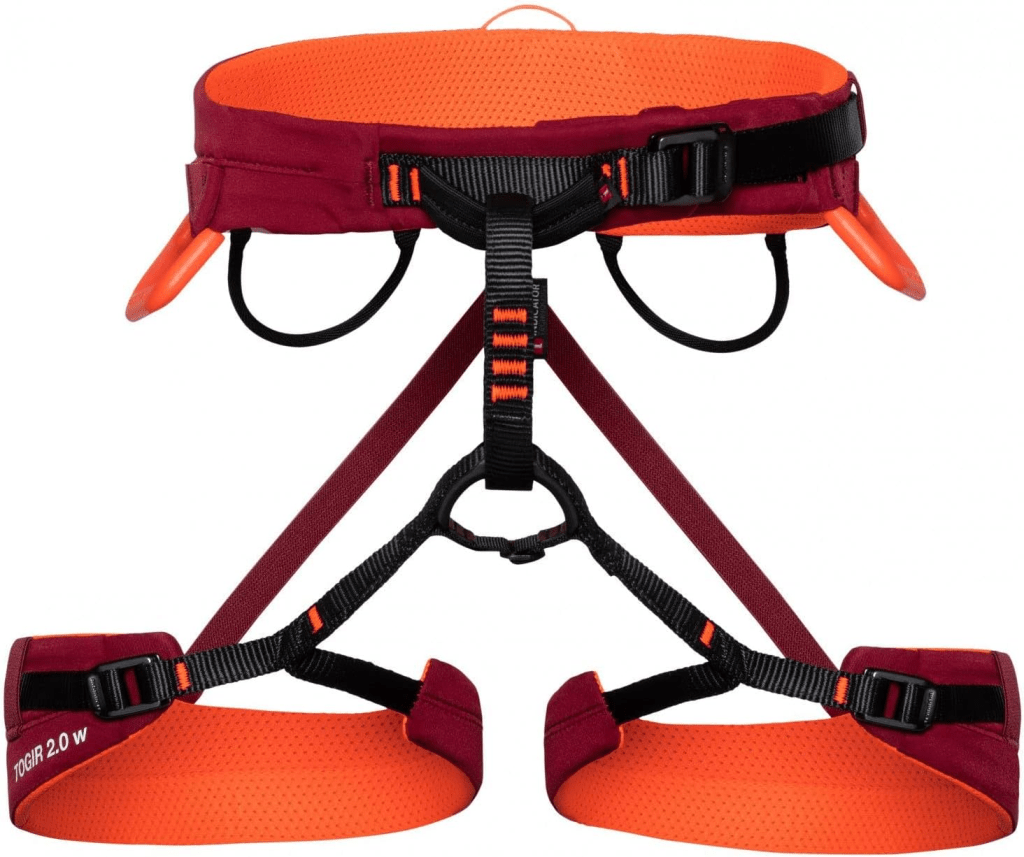
Women’s Mammut Togir 2.0 3 Slide Harness – Blood Red
ROCK CLIMBING SHOES FOR BEGINNER CLIMBERS
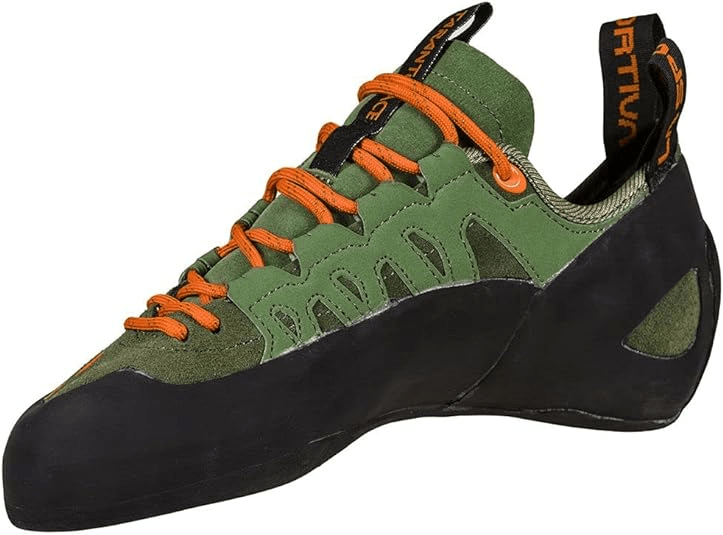
For a lot of people, the La Sportiva Tarantula and Tarantulace are the classic beginner shoes. They’re incredibly versatile and comfortable while being slightly stiffer, making them a great first shoe. They also don’t break the bank, coming in at under $100.
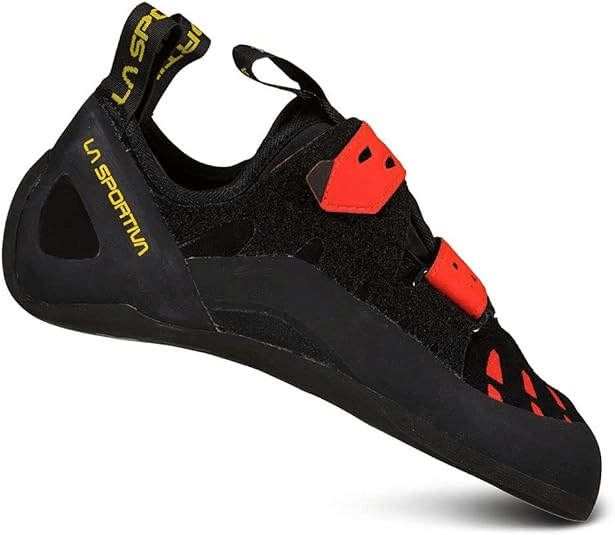
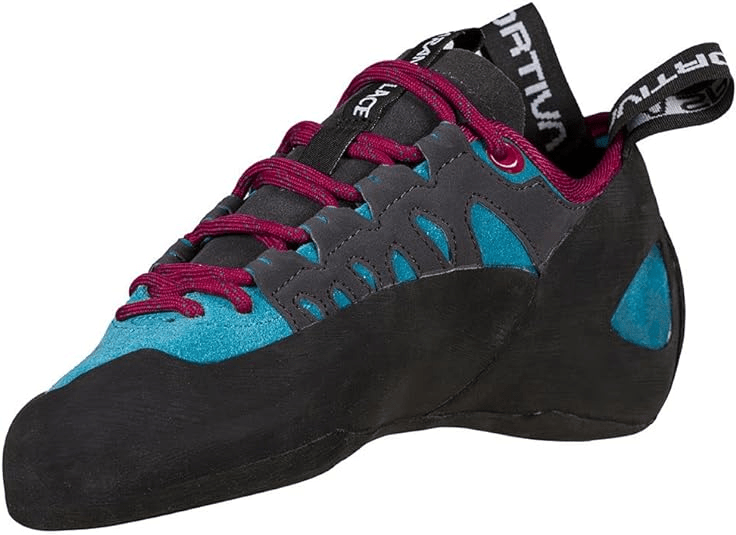
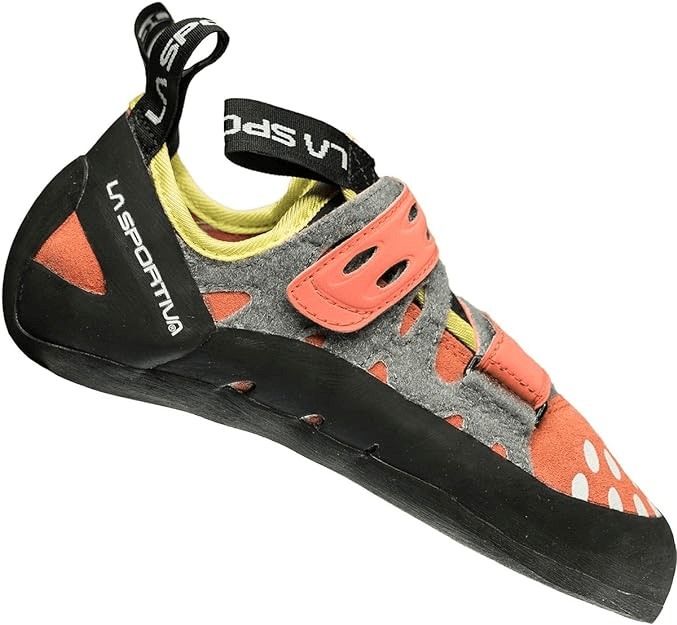
Also consider the Aragon from La Sportiva. These have insanely good reviews. They’re a terrific beginner/intermediate shoe.
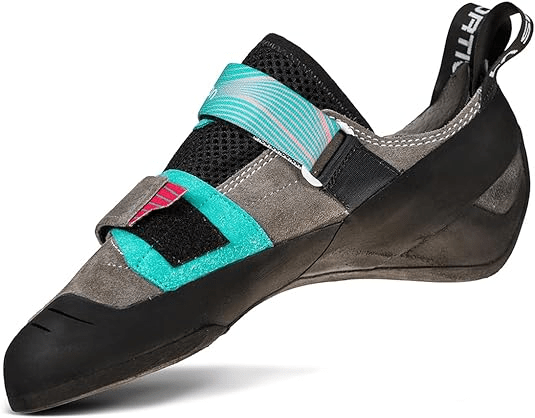
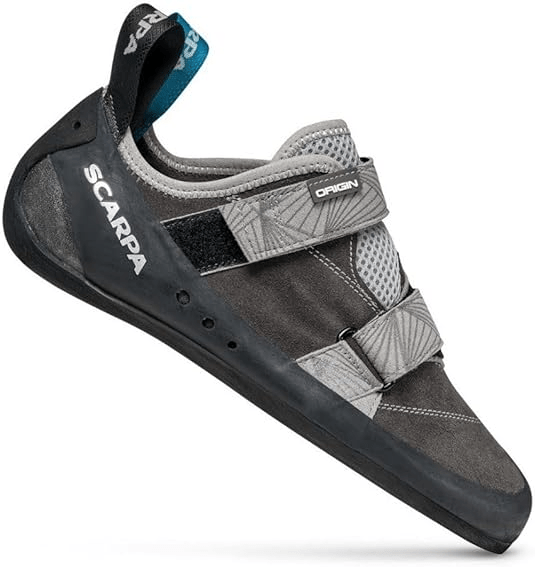
Here are some other terrific shoes for beginners.
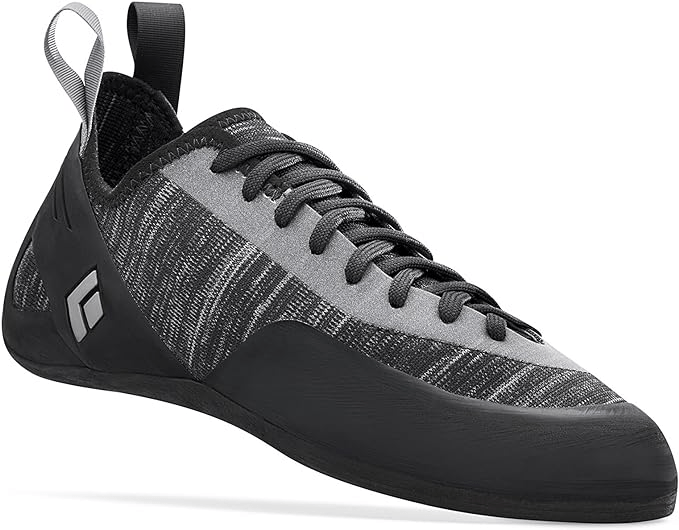
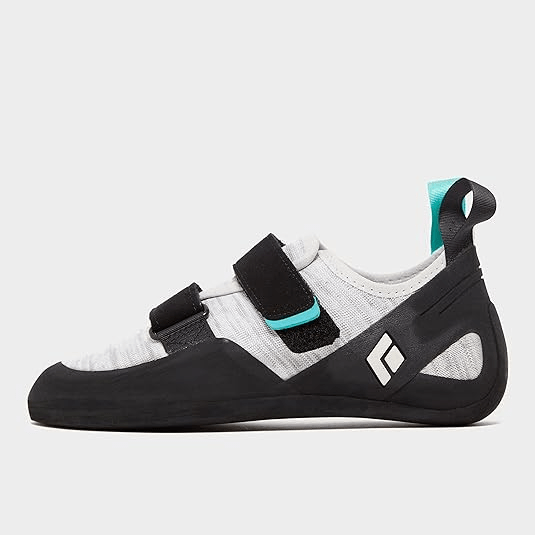
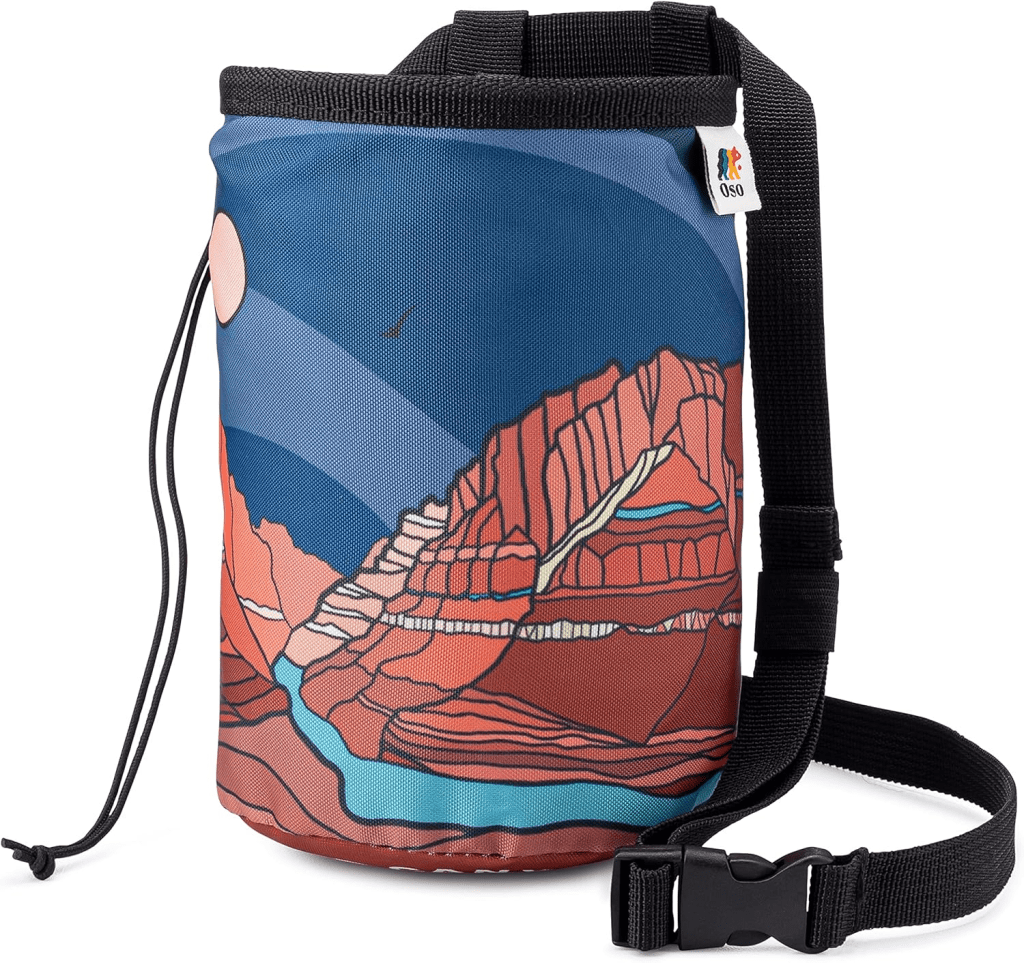
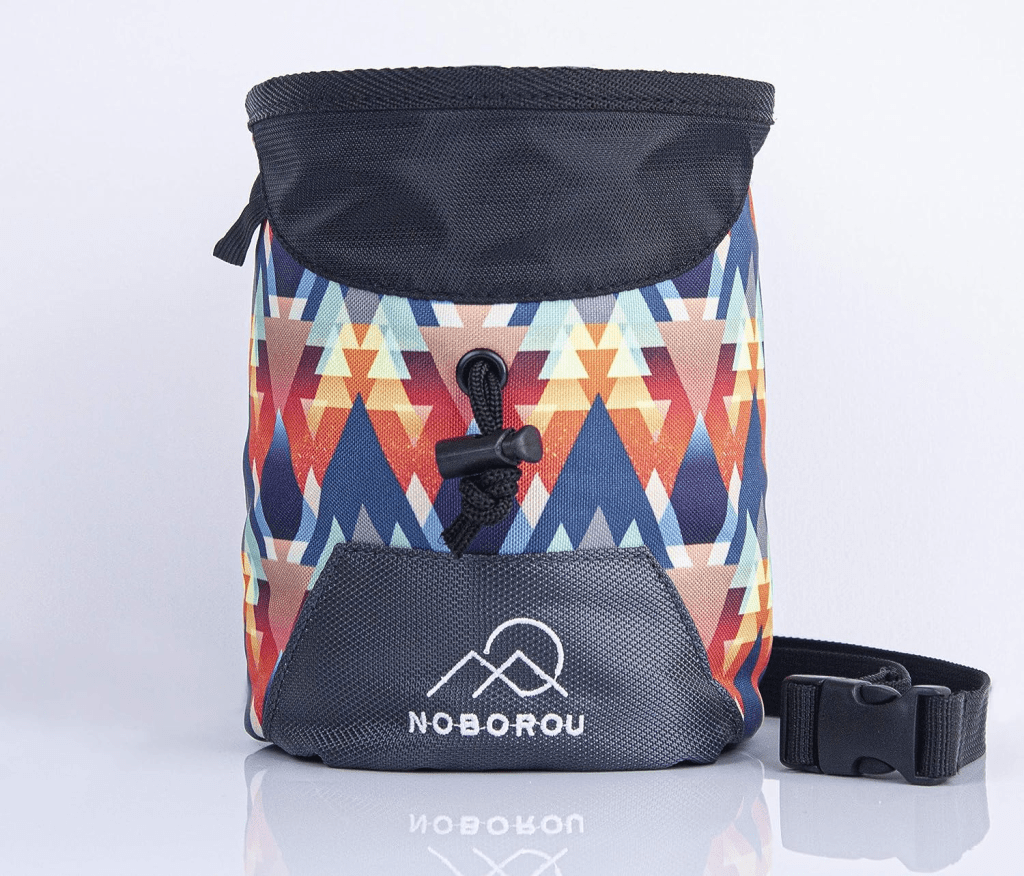
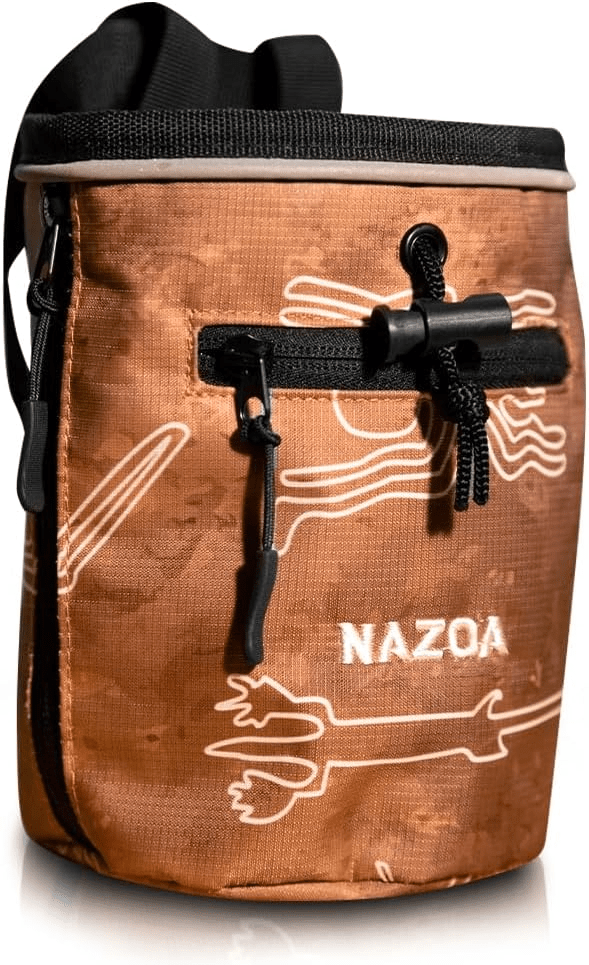
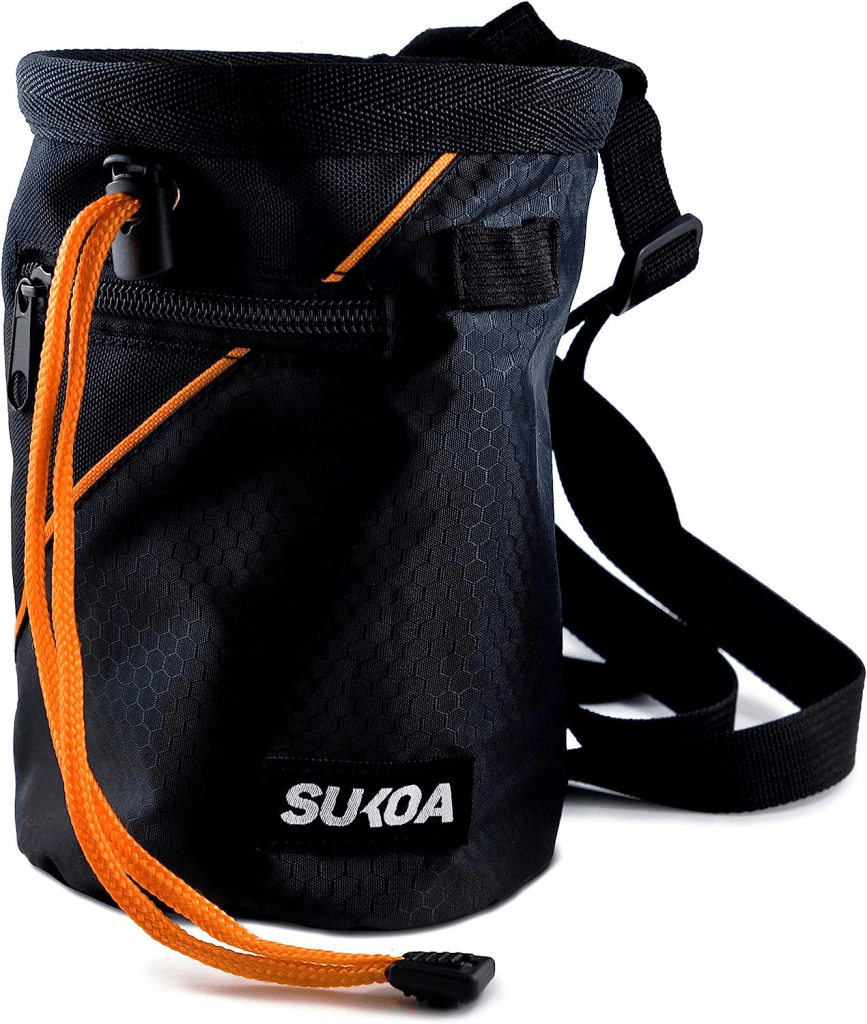
ROCK CLIMBING CHALK BAGS
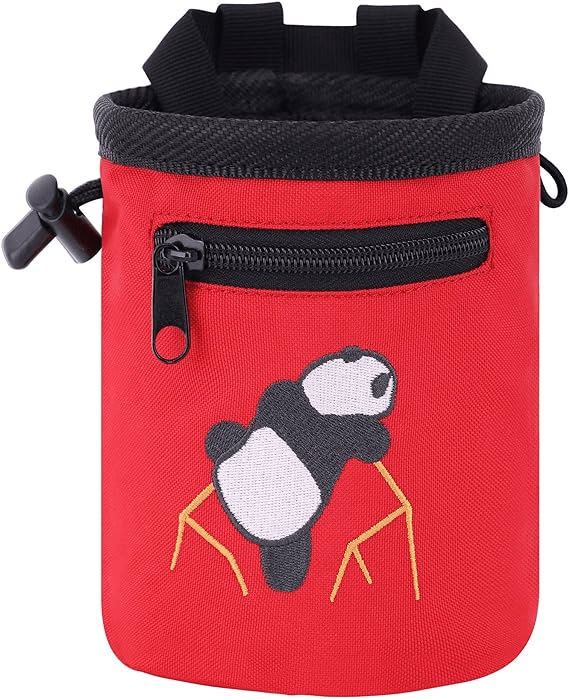
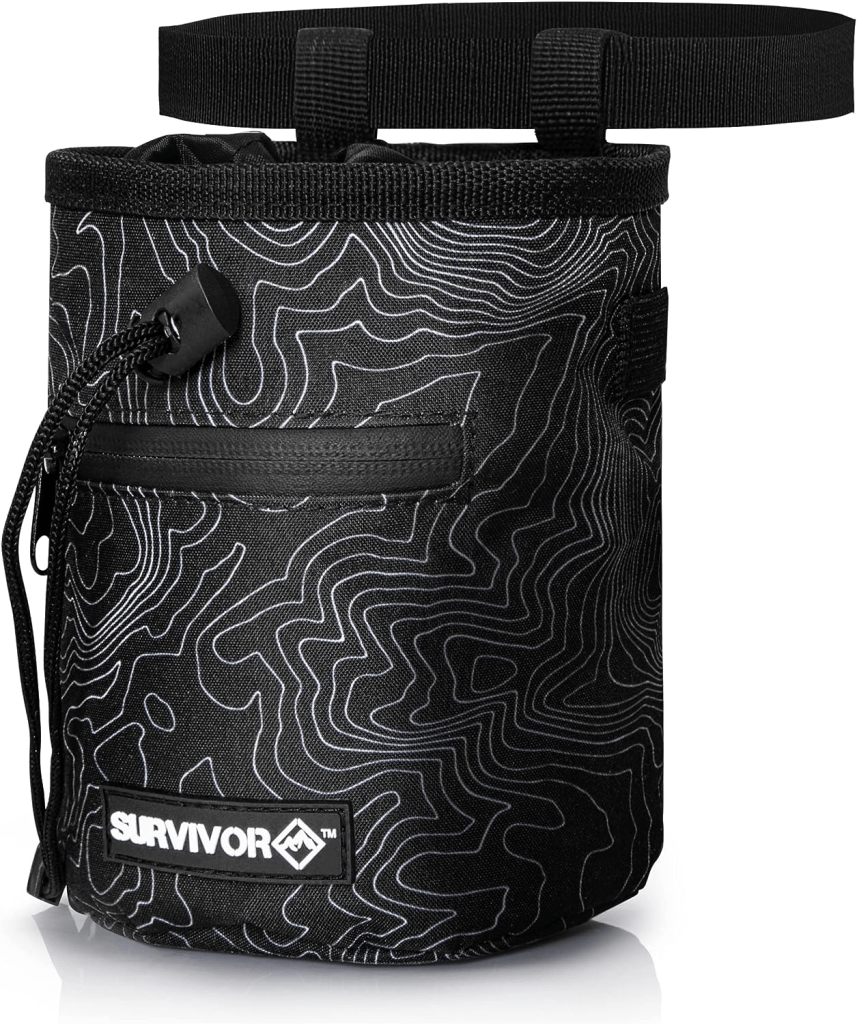
Chalk bags aren’t rocket science. It’s a bag. For your chalk. Different people like different styles. You’ll also notice some folks do larger chalk bags for bouldering. You can also be creative with chalk bags! Get weird with it!
Things to look for
-is the waistband adjustable?
-does it have zippered pockets? (great for when you forget to take off your wedding ring!)
-does it have a slot or a small loop for a brush?
 Climber Crafted Co.
Leave a comment